
Choosing a bioreactor in 2026 is no longer a simple equipment decision. It shapes how efficiently a lab operates, how consistently results are produced, and how easily teams can respond to changing project demands.
With tighter timelines, higher expectations for reproducibility, and increasing pressure to manage costs, labs are taking a closer look at whether a single-use bioreactor or a reusable bioreactor is the better fit for their workflows. Each option brings clear strengths and practical tradeoffs that deserve careful consideration.
What Defines a Single-Use Bioreactor?
A single-use bioreactor relies on disposable components, typically pre-sterilized bags and fluid paths that are replaced after each run. This approach has gained strong momentum in recent years, especially in cell therapy, early-stage research, and facilities handling multiple products.
One of the biggest advantages is reduced contamination risk. Since components are discarded between runs, there is less reliance on intensive cleaning and sterilization processes. Setup times are often shorter, which helps teams move quickly between projects. Single-use systems also offer flexibility, making them ideal for labs that need to scale up or down without committing to a fixed infrastructure.
However, consumable costs can add up over time. Labs running long, continuous processes may find recurring replacement expenses harder to justify compared to durable systems.
Understanding Reusable Bioreactors
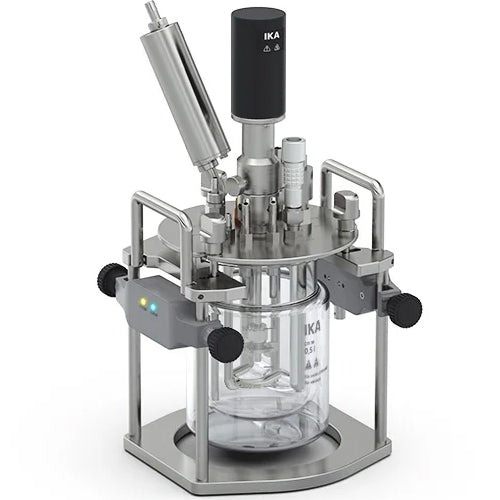
A reusable bioreactor is built for longevity. These systems are typically constructed from stainless steel or other durable materials designed to withstand repeated cleaning, sterilization, and extended use. For large-scale production or facilities with stable, high-volume workflows, reusable systems remain a trusted standard.
Reusable bioreactors offer strong process control and long-term cost efficiency when used consistently. Once installed, they can operate for years with proper maintenance. That said, they require more time, labor, and validation for cleaning and sterilization.
Workflow Flexibility vs Operational Stability
When comparing a single-use bioreactor and a reusable bioreactor, workflow style matters. Labs handling varied experiments, short production cycles, or multiple products often benefit from the adaptability of single-use systems. Those focused on consistent, large-batch production may lean toward reusable setups that support repeatability at scale.
Space and infrastructure also influence the decision. Single-use systems typically require less permanent installation, while reusable bioreactors often demand dedicated utilities and facility planning.
Regulatory and Validation Considerations
Compliance expectations continue to evolve in 2026. Single-use systems can simplify validation since sterilization occurs offsite, but they require careful supplier qualification. Reusable bioreactors demand validated cleaning protocols and detailed documentation, which can increase regulatory workload but also provide well-established compliance pathways.
Cost Beyond the Price Tag
Initial cost is only one part of the equation. Single-use systems often have lower upfront expenses, making them appealing for startups or expanding labs. Reusable systems may carry higher initial costs but can become more economical over time for steady operations. Evaluating total cost of ownership, including labor, downtime, and consumables, leads to smarter decisions.
Which Option Fits Your 2026 Goals?
There is no universal answer. Many labs now adopt hybrid strategies, using single-use systems for development and reusable bioreactors for scaled production. The right choice aligns with project scope, growth plans, and operational priorities.
Choosing with Confidence in 2026

Selecting between a single-use bioreactor and a reusable bioreactor is about matching equipment to how your lab truly works.
At MedLabAmerica.com, we help researchers compare options that fit real-world needs, timelines, and budgets. We offer dependable bioreactors designed for today’s evolving lab workflows. We provide affordable lab equipment, physical therapy and rehab equipment, dermatology equipment, veterinary equipment, medical lighting systems, and more.
Visit MedLabAmerica.com and take the next step toward smarter bioprocessing decisions.