
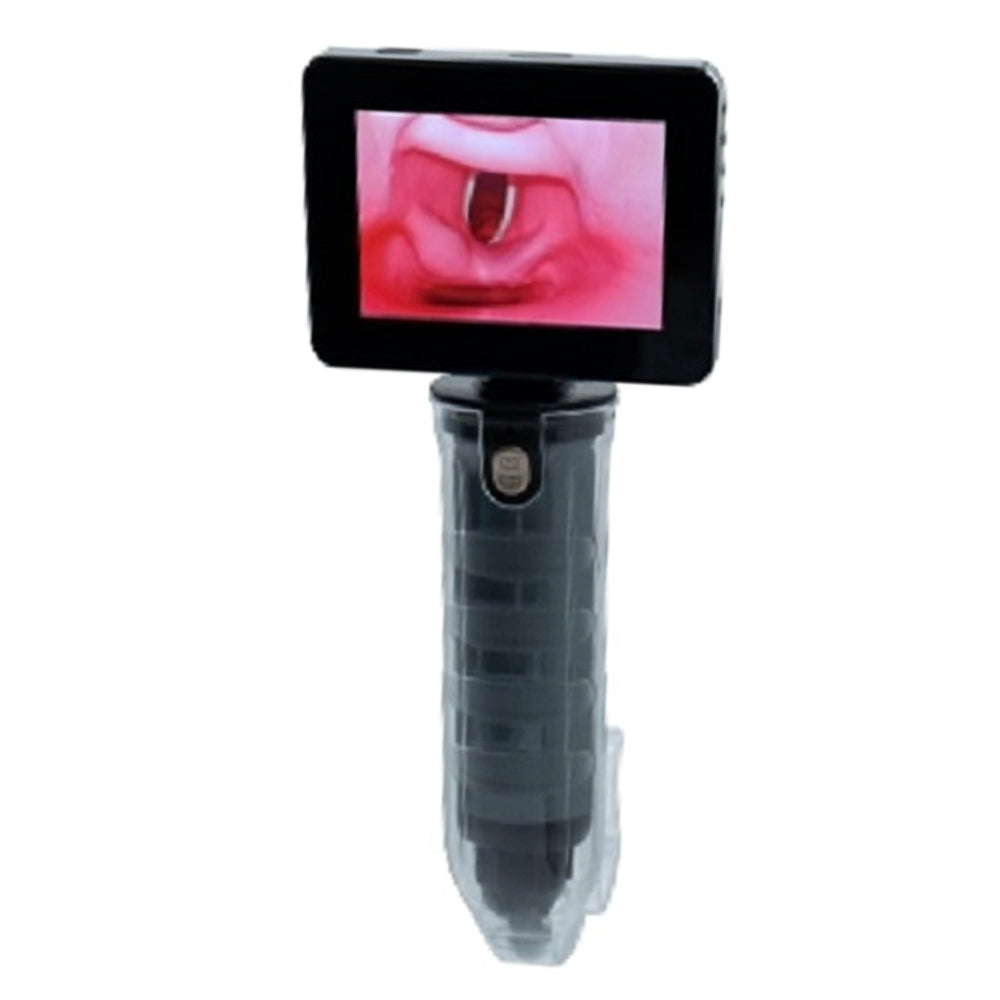
Diagnostic instruments quietly shape nearly every decision made in a modern laboratory. From early disease detection to treatment monitoring and research validation, the accuracy of results often depends on the tools behind the data.
As 2026 approaches, labs face a wider range of options than ever before, along with rising expectations for speed, consistency, and integration. Choosing the right diagnostic instruments now is less about chasing trends and more about building a setup that supports dependable results day after day.
Why Diagnostic Instrument Selection Matters More in 2026
Laboratories today are under pressure to do more with fewer delays. Turnaround times are shrinking, workloads are expanding, and regulatory expectations continue to tighten. The right diagnostic instruments help labs meet these demands without sacrificing quality. Poorly matched tools, on the other hand, can slow workflows, increase error rates, and strain staff resources.
In 2026, successful labs are prioritizing instruments that balance performance with usability. Advanced features are only valuable when they support real-world workflows.
Precision and Accuracy Come First
At the core of any diagnostic instrument is its ability to deliver reliable results. Precision and accuracy should always be the starting point when evaluating new equipment. Look for instruments with strong performance specifications, proven validation data, and consistent output across repeated testing.
Even small inaccuracies can compound over time, especially in high-volume environments. Investing in dependable diagnostic instruments reduces the need for retesting and helps maintain confidence in reported results.
Reliability and Long-Term Performance
Downtime is more than an inconvenience. It disrupts schedules, delays diagnoses, and increases operational costs. Reliable diagnostic instruments are designed to perform consistently with minimal interruptions.
When comparing options, consider build quality, manufacturer reputation, and service support. Instruments that require frequent repairs or calibration checks may appear affordable upfront but often cost more over time.
Ease of Use and Staff Efficiency
User-friendly design has become a major deciding factor in 2026. Diagnostic instruments should support technicians, not slow them down. Clear interfaces, intuitive controls, and straightforward maintenance procedures all contribute to smoother daily operations.
Ease of use also supports training. With ongoing staffing challenges across healthcare and research settings, instruments that reduce learning curves help labs stay productive even during personnel changes.
Integration with Modern Lab Workflows
Modern labs rely on connectivity. Diagnostic instruments that integrate easily with laboratory information systems support faster data transfer, better record keeping, and reduced manual entry errors.
Key integration considerations include:
·Compatibility with existing software systems
·Secure data storage and transfer options
·Support for automated reporting
·Minimal disruption during system updates
Instruments that connect smoothly into established workflows allow teams to focus on analysis rather than administration.
Scalability and Future Planning

Modern labs are thinking beyond immediate needs. Diagnostic instruments should support future growth, whether that means higher sample volumes, expanded testing menus, or new research directions.
Flexible systems that allow upgrades or modular expansion help labs adapt without replacing entire platforms. Planning for scalability reduces long-term costs and avoids rushed purchasing decisions later.
Maintenance and Support Considerations
Routine maintenance plays a major role in long-term performance. Instruments that are easy to clean, calibrate, and service help protect uptime and accuracy. Clear documentation and responsive technical support are just as important as the hardware itself.
Reliable service access ensures that when issues arise, solutions are timely and effective.
Where We Can Help
At MedLabAmerica.com, we understand how critical diagnostic instruments are to lab success in 2026. That is why we focus on offering carefully selected solutions that support accuracy, efficiency, and long-term reliability.
If you are planning updates or expanding your diagnostic capabilities, explore our selection and let us help you equip your lab with confidence. Visit MedLabAmerica.com today and take the next step toward smarter diagnostics.
We provide affordable lab equipment, physical therapy and rehab equipment, dermatology equipment, veterinary equipment, medical lighting systems, and more.