
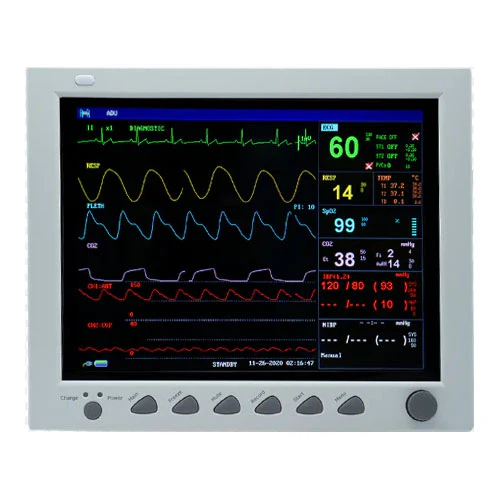
Flu season always places extra pressure on clinics, urgent care centers, and hospitals. Higher patient volume, faster decision-making, and more complex respiratory cases can challenge even well-prepared teams. One of the most effective ways to manage this seasonal surge is by strengthening patient monitoring.
Upgrading to multi-parameter patient monitors gives clinicians clearer, faster insight into a patient’s condition, which can directly influence treatment decisions and reduce avoidable readmissions during the 2026 flu season.
Why Advanced Monitoring Matters During Flu Season
Patients with influenza often present with fluctuating vitals. Oxygen saturation can drop unexpectedly, heart rate can shift rapidly, and fever-related dehydration may cause changes in blood pressure. Older monitors that only track a single parameter can miss early warning signs. Multi-parameter patient monitors capture trends across several vital signs at once, offering a fuller picture of patient stability.
Real-time data makes it easier for clinicians to intervene before complications progress. This level of insight is especially critical for high-risk groups such as seniors, people with asthma, and those with chronic cardiovascular conditions.
Better Trend Analysis for More Accurate Clinical Decisions
Modern multi-parameter monitors allow for detailed trend analysis. Pattern recognition is invaluable during flu season, when respiratory status and heart rate variability often signal worsening illness. Clinicians can quickly compare current readings with earlier datapoints and make decisions based on measurable changes rather than moment-to-moment snapshots.
Trend visibility supports earlier detection of respiratory distress, secondary infections, and cardiac strain. When caught early, these issues often prevent the need for hospital readmission.
Integration With Electronic Systems Improves Continuity of Care
Many newer systems sync smoothly with electronic medical records. This creates a cohesive view of patient progress across departments and shifts. When providers have immediate access to accurate historical data, it becomes easier to adjust medications, refine treatment plans, and escalate care when necessary.
Fast, reliable access to vital data supports better continuity of care, which is a significant factor in reducing readmissions.
Improved Patient Comfort and Faster Assessments

Another advantage is patient comfort. Newer monitors often use advanced sensors designed for longer wear with less irritation. When patients can be monitored without constant adjustments, it reduces disruptions for both staff and patients.
Faster assessment also means clinicians can prioritize urgent cases more effectively. During peak flu season, this efficiency can make a meaningful difference.
Why Upgrading Before 2026 Matters
Many facilities still rely on older monitors that lack modern features. As influenza strains evolve and respiratory complications become more unpredictable, outdated equipment can slow down response times. Upgrading now ensures your facility enters 2026 with stronger monitoring capacity, improved workflow, and better preparation for high patient volume.
Reliable monitoring is no longer a luxury. It is a necessary foundation for safe seasonal care.
As an online retailer for laboratory equipment, MedLabAmerica.com offers a wide selection of multi-parameter units designed for dependable clinical use. Our catalog includes laboratory equipment and supplies, veterinary equipment, and reliable medical equipment suited for facilities preparing for the demands of 2026.
Explore our multi-parameter patient monitors and equip your team with tools that support safer, smarter flu season management.