
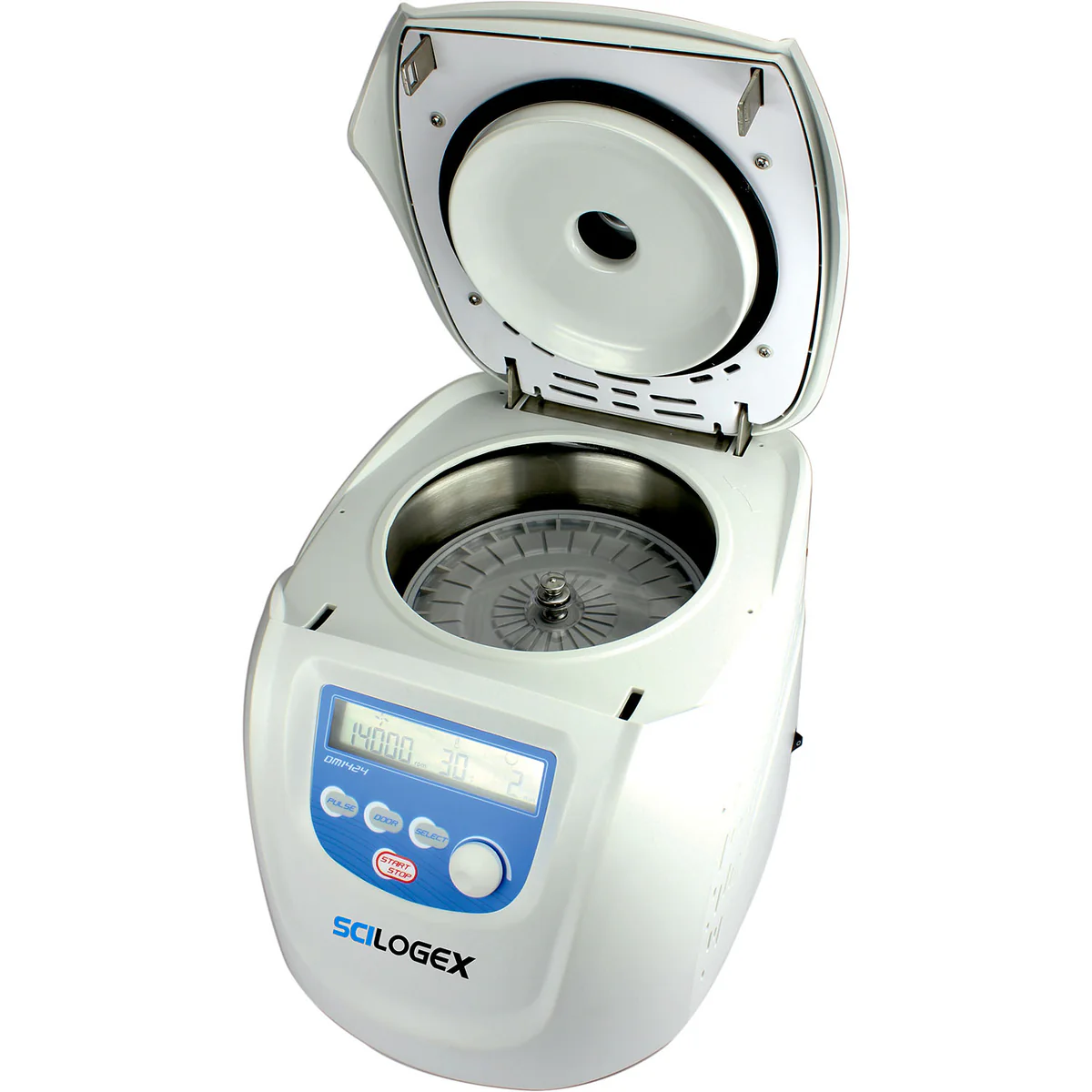
Efficiency and accuracy are paramount in a modern lab. Hematocrit centrifuges play a vital role in hematology testing, providing essential data for diagnosing and monitoring various blood-related conditions.
Choosing the right hematocrit centrifuge is not merely a matter of convenience; it's a critical decision that directly impacts the accuracy of test results and the overall workflow of the lab.
This blog post outlines seven key considerations to guide laboratory professionals in selecting the ideal hematocrit centrifuge for their specific needs.
Understanding Hematocrit Centrifugation
Hematocrit centrifugation is a process that separates blood components by spinning blood samples at high speeds. This separates the red blood cells from the plasma, allowing for the determination of the hematocrit, which is the percentage of blood volume occupied by red blood cells. This measurement is vital for diagnosing conditions like anemia, polycythemia, and dehydration.
7 Key Considerations for Selecting a Hematocrit Centrifuge
1. Capacity: The capacity of a hematocrit centrifuge refers to the number of capillary tubes it can hold at one time. Consider the volume of samples your lab processes regularly. Choose a centrifuge with a capacity that meets your average daily workload, but also allows for flexibility in handling peak volumes.
2. Speed (RPM) and RCF (g-force): Speed is measured in revolutions per minute (RPM), while relative centrifugal force (RCF) or g-force is the force applied to the sample during centrifugation. Different hematocrit procedures may require specific RPM and RCF settings. Ensure the centrifuge can achieve the required speeds and RCF for your lab's testing protocols.
3. Rotor Type: Hematocrit centrifuges typically use a fixed-angle rotor, which holds the capillary tubes at a specific angle. The rotor should be durable, easy to load and unload, and compatible with the type of capillary tubes used in your lab.
4. Safety Features: Safety is paramount in any laboratory setting. Look for centrifuges with safety features like lid lock, imbalance detection, aerosol containment, and rotor identification.
5. Ease of Use: Choose a centrifuge that is user-friendly, with clear controls and a digital display.
6. Maintenance and Service: Evaluate the centrifuge's maintenance requirements. Look for models that are easy to clean and maintain.
7. Budget: Hematocrit centrifuges vary in price. Set your budget and prioritize the features that are most essential for your lab. Remember that investing in a reliable and efficient centrifuge can save time and resources in the long run.
Make the Right Decision

Selecting the ideal hematocrit centrifuge is a critical decision that impacts the accuracy and efficiency of blood analysis in your lab. By carefully considering these seven key factors, you can choose a centrifuge that meets your specific needs and contributes to the overall success of your laboratory operations.
At MedLabAmerica.com, we offer a wide range of high-quality hematocrit centrifuges from reputable manufacturers. Our team is dedicated to helping you find the perfect centrifuge to enhance your lab's workflow and ensure accurate results.
Our collection also comprises vital signs monitors for hospitals and clinics, veterinary equipment, fetal heart rate dopplers and monitors, cryogenic equipment, lighting fixtures, ultrasonic cleaners, and more.