
Each year, flu season brings an influx of patients to hospitals, urgent care centers, and private practices. For clinics, this period demands not only increased staffing and streamlined workflows but also the right equipment to monitor patients quickly and accurately.
Having reliable monitoring devices on hand is essential for detecting complications, guiding treatment, and improving outcomes. With flu-related hospitalizations and respiratory distress cases peaking between October and February, preparation begins with choosing the right tools.
Vital Signs Monitors
At the core of flu season readiness is a dependable vital signs monitor. Influenza often causes fever, respiratory issues, and dehydration, which can rapidly worsen in high-risk patients such as children, older adults, and individuals with chronic conditions.
A quality vital signs monitor tracks temperature, heart rate, blood pressure, and oxygen saturation in one compact unit. Look for devices that allow for quick, non-invasive readings and easy integration into your clinic’s electronic health records. Portable options are also valuable, as they allow staff to move seamlessly between exam rooms when patient volume is high.
Pulse Oximeters
Hypoxemia, or low oxygen levels, is a common complication of influenza and related respiratory illnesses. A pulse oximeter is therefore indispensable for flu-season triage and ongoing patient care.
Modern pulse oximeters are small, fast, and easy to use, making them suitable for both adult and pediatric patients. Some advanced models even provide perfusion index and plethysmograph waveform data, offering clinicians more insight into patient status. Clinics should stock both fingertip oximeters for spot checks and integrated systems for continuous monitoring in severe cases.
Capnography Monitors

While often associated with anesthesia and critical care, capnography monitors are increasingly important during flu season, particularly when treating patients with compromised respiratory function. These devices measure end-tidal CO₂ (EtCO₂), providing a real-time assessment of ventilation.
For clinics managing high-risk or severely ill patients, capnography can help detect early signs of respiratory failure. Portable sidestream models are especially well-suited for outpatient and urgent care settings, providing versatility without sacrificing accuracy.
Bedside and Multiparameter Monitors
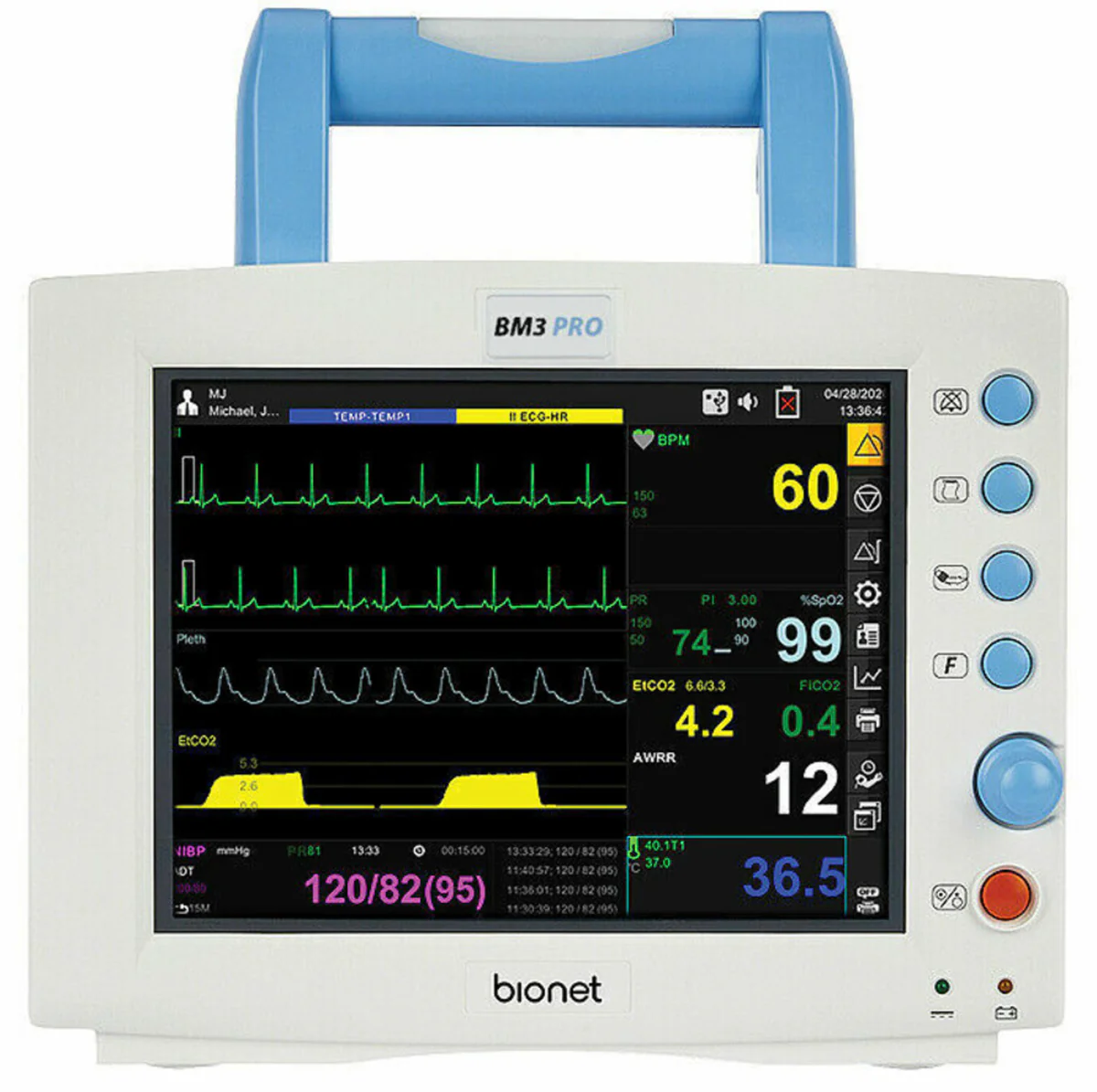
Severe flu cases may require closer observation, particularly when comorbidities are present. Bedside and multiparameter monitors provide continuous surveillance of vital parameters, including ECG, SpO₂, respiratory rate, and blood pressure.
These monitors are especially useful for inpatient or observation units, where patients may need extended monitoring before discharge. Choosing models with customizable alarm limits ensures staff can respond quickly to changes in patient condition during peak flu season.
Getting Your Clinic Ready with MedLabAmerica.com
Flu season can put a strain on any medical practice, but the right monitoring devices make a significant difference in both patient care and staff efficiency.
At MedLabAmerica.com, we offer a wide range of vital signs monitors, pulse oximeters, capnography systems, and multiparameter monitors that help clinics stay prepared. Our goal is to provide equipment that’s accurate, reliable, and ready to handle the busiest months of the year.
We’re here to make sure you have the tools you need to care for patients with confidence this flu season. Visit us to explore our selection and get your clinic ready today.