
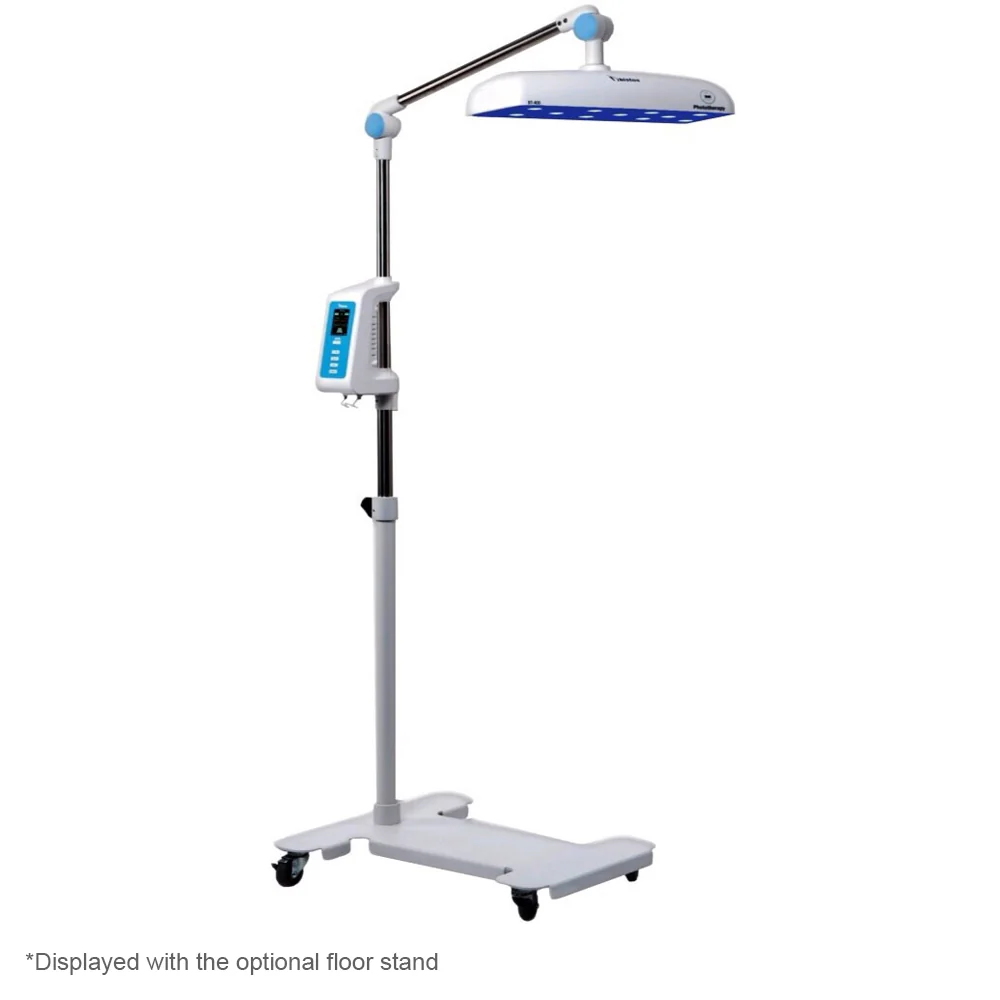
Neonatal jaundice is one of the most common conditions treated in newborns, affecting many babies during their first days of life. It occurs when bilirubin levels in the blood become elevated, leading to a yellowish tint to the skin and eyes. If left untreated, severe jaundice can lead to complications, including neurological damage.
Phototherapy is the primary treatment for neonatal jaundice. It works by using specific wavelengths of light to break down excess bilirubin in the baby’s body, allowing it to be excreted naturally. Because this treatment is so critical, selecting the right phototherapy equipment is essential for ensuring safe, effective care in neonatal units.
Understanding Light Source Technology
The type of light used in phototherapy equipment significantly affects treatment effectiveness. Historically, fluorescent and halogen lamps were used, but modern devices now primarily use LED technology.
LED-based phototherapy equipment offers several advantages. LEDs emit light in the optimal blue spectrum (around 460–490 nm) for breaking down bilirubin, which means treatment is faster and more efficient. They also generate less heat, reducing the risk of overheating the infant and improving overall safety.
LED units last much longer than fluorescent bulbs, which need frequent replacement. This long lifespan helps reduce maintenance costs and downtime in busy neonatal care settings.
Evaluating Irradiance Levels and Coverage
Irradiance refers to the intensity of light delivered to the baby’s skin. Higher irradiance levels speed up bilirubin breakdown and reduce treatment time. Look for equipment that provides adjustable irradiance settings so clinicians can tailor the intensity based on the infant’s condition and progress.
Uniform light distribution is just as important. Uneven coverage can lead to inconsistent treatment results. Devices should provide broad, even illumination across the baby’s entire body. Some advanced systems use overhead lights combined with fiber-optic pads or blankets to maximize surface exposure while allowing more movement and bonding time with caregivers.
Safety Features for Fragile Patients
Since phototherapy is used on vulnerable newborns, safety is a top priority. Choose equipment with built-in temperature monitoring to prevent overheating. Overheating can cause dehydration or thermal stress in infants.
Devices should also feature automatic timers and treatment duration controls. These help ensure that babies are not exposed to light for too long, reducing the risk of side effects such as skin rashes or eye irritation.
Eye protection is essential during phototherapy. Many systems come with integrated eye shields or recommend approved eye patches to protect the infant’s retinas from light exposure.
Usability and Maintenance Considerations
Neonatal care teams often work in fast-paced environments where equipment must be easy to operate. Select phototherapy equipment with simple, intuitive controls and clear display panels for tracking treatment progress.
Compact, portable designs are ideal for facilities with limited space or for use in shared treatment areas. Portability also allows phototherapy units to be moved easily between patient rooms.
Maintenance is another key factor. LED-based units typically require less maintenance than fluorescent or halogen systems, but it is still important to choose equipment from reputable manufacturers that offer reliable support, warranties, and replacement parts.
Make the Right Choice
Choosing the right phototherapy equipment is one of the most important decisions neonatal care teams make. It affects treatment outcomes, patient safety, and workflow efficiency. At MedLabAmerica.com, we take this responsibility seriously. We offer phototherapy equipment designed for effective bilirubin reduction, safe operation, and long-term reliability.
We also provide medical equipment, lab instruments, veterinary equipment, physical therapy and rehab equipment, and more. Explore our various collections to get started.