
Clean air is easy to take for granted until it becomes a problem. In labs and clinical spaces, air quality plays a direct role in infection control, staff safety, and regulatory compliance. As facilities head into 2026, many are discovering that older VOC and air purification systems are no longer keeping up with today’s demands.
Technology has advanced, usage levels have increased, and expectations around infection prevention are higher than ever. Knowing when to replace air purification systems is no longer just a facilities decision. It is a patient safety issue.
Why Air Quality Matters More Than Ever
Volatile organic compounds, airborne pathogens, chemical vapors, and fine particulates are common in medical and laboratory environments. Over time, even well-maintained systems lose their ability to effectively capture and neutralize these contaminants.
Infection control protocols now place greater emphasis on environmental controls, especially in procedure rooms, labs, and high-traffic clinical areas. A system that was adequate five or ten years ago may struggle to meet current standards.
Warning Signs Your System May Need Replacement
One of the clearest indicators is declining performance. If odors linger longer than expected, filters clog frequently, or airflow feels inconsistent, the system may be nearing the end of its functional life.
Other warning signs include increased maintenance calls, rising energy costs, or alerts that appear more often without a clear cause. These issues often signal internal wear that routine servicing can no longer resolve.
Staff feedback also matters. If clinicians or lab personnel report headaches, irritation, or persistent odors, it is worth taking those concerns seriously.
Filter Replacement Is Not Always Enough
While regular filter changes are essential, they cannot compensate for aging system components. Fan motors weaken, sensors drift out of calibration, and housings degrade over time. When these parts begin to fail, overall system effectiveness drops, even with new filters installed.
Modern VOC and air purification systems use improved filtration media, smarter airflow control, and better monitoring capabilities. Upgrading can deliver measurable improvements in air quality that older platforms simply cannot match.
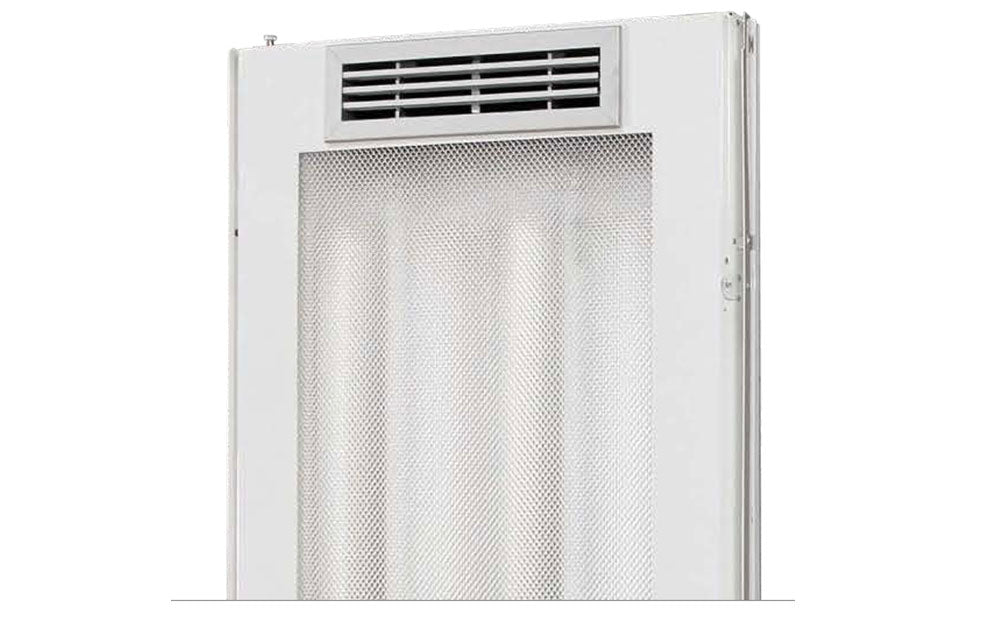
Recommended: Medical Illumination® VidaShield UV24 Air Purification System
Regulatory and Compliance Considerations
Regulatory guidelines around infection control continue to evolve. Facilities are expected to demonstrate proactive management of environmental risks, including air quality.
An outdated system may still operate, but that does not mean it meets current expectations. Replacing older units helps facilities stay aligned with inspection requirements and reduces the risk of non-compliance during audits.
Documentation also becomes easier with newer systems that provide usage data, alerts, and maintenance tracking.
Increased Usage and Changing Workflows
Many labs and clinics are operating at higher capacity than they were just a few years ago. More procedures, longer operating hours, and expanded services all place additional strain on air purification systems.
If your facility has grown or workflows have changed, existing systems may be undersized for current needs. Replacement allows for right-sizing equipment to match real-world usage rather than forcing aging systems to work beyond their design limits.
Benefits of Upgrading in 2026
Replacing VOC and air purification systems is not just about solving problems. It is also an opportunity to improve efficiency and safety.
Newer systems offer quieter operation, better energy efficiency, and improved contaminant capture. Many integrate more easily with other environmental controls, helping facilities maintain consistent conditions throughout the day.
Upgrades can also support staff confidence by creating visibly cleaner, more comfortable workspaces.
Planning the Replacement Timeline
The best time to replace air purification systems is before failure occurs. Waiting until a unit breaks down increases disruption and can temporarily compromise infection control measures.
Facilities should review system age, maintenance history, and performance trends annually. Proactive replacement planning allows for budgeting, scheduling, and smooth transitions without interrupting operations.
Supporting Safer Environments Moving Forward

Air quality is a foundation of effective infection control, not an afterthought. As expectations rise in 2026, replacing outdated VOC and air purification systems helps protect staff, patients, and research integrity.
At MedLabAmerica.com, we help facilities stay ahead of these challenges. As a trusted source for laboratory and medical equipment, we offer reliable options that support cleaner, safer environments across clinical and lab settings.
If your air purification systems are showing signs of age or struggling to meet current demands, we are here to help. Explore updated solutions with us and take the next step toward stronger infection control today. We also offer veterinary equipment, physical therapy equipment and supplies, medical lighting systems, and more.