
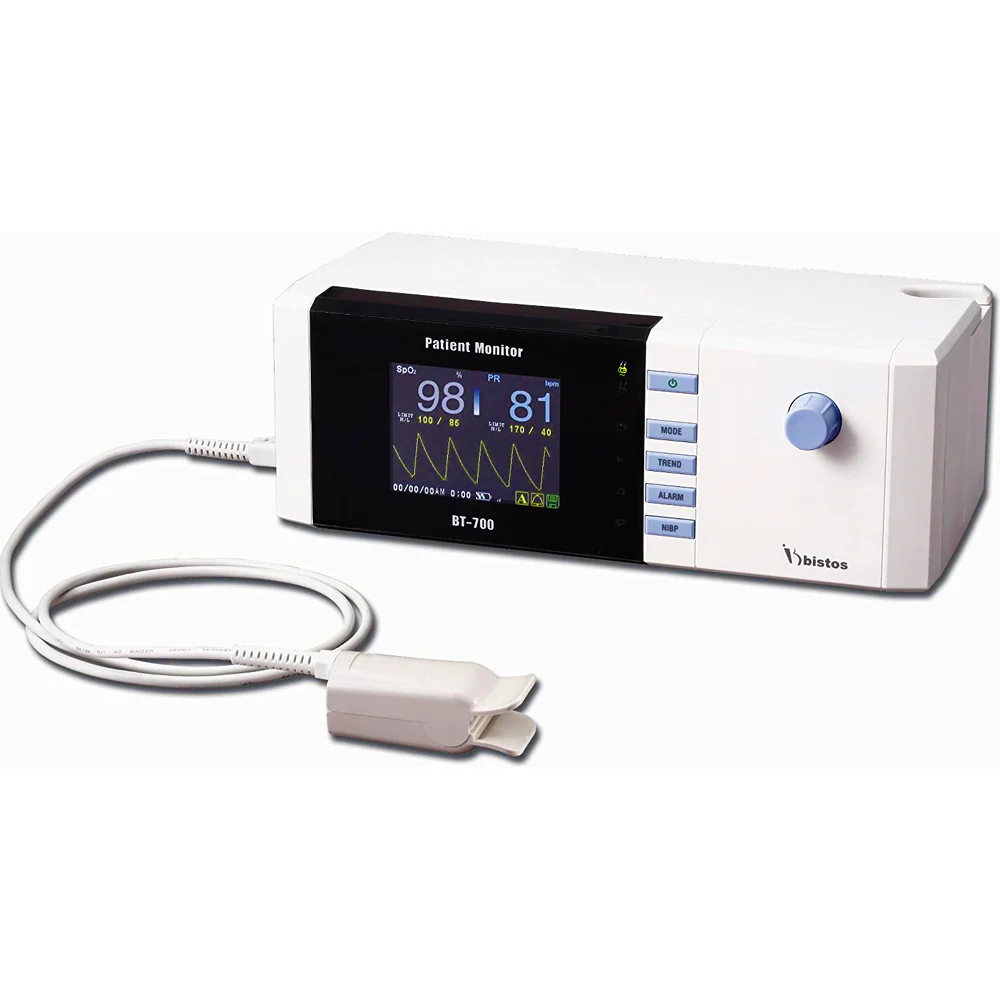
The ability to rapidly and accurately assess an animal's oxygenation status is vital. Pulse oximeters have become indispensable tools for veterinary professionals, providing a non-invasive and real-time measurement of oxygen saturation (SpO2) and heart rate. However, obtaining reliable readings on animals can present unique challenges.
This blog post provides practical tips and best practices to ensure accurate and consistent readings with veterinary pulse oximeters, ultimately leading to improved patient monitoring and care.
Understanding Veterinary Pulse Oximetry
Pulse oximetry is a non-invasive method of measuring the percentage of hemoglobin in an animal's blood that is saturated with oxygen. It uses a sensor that emits and detects light passing through tissue, typically the tongue, ear, or paw. The device then calculates the SpO2 and heart rate based on the absorption of light by oxygenated and deoxygenated hemoglobin.
Challenges in Veterinary Pulse Oximetry
Obtaining accurate readings on animals can be challenging due to several factors:
· Anatomical Variations: Differences in tissue thickness, pigmentation, and hair density can affect light absorption and signal quality.
· Movement Artifact: Animal movement can disrupt the signal and lead to inaccurate readings.
· Vasoconstriction: In shock or hypothermia, vasoconstriction can reduce blood flow to peripheral tissues, making it difficult to obtain a reliable signal.
· Species Differences: Physiological variations between species can influence the accuracy of readings.
Tips for Accurate Readings
To overcome these challenges and ensure accurate readings with veterinary pulse oximeters, consider the following tips:
1. Choose the Right Sensor: Select a sensor specifically designed for veterinary use. Consider the size and type of sensor based on the animal's size and the chosen application site. Clip-on sensors are often suitable for the tongue or ear, while wrap-around sensors may be used on the paw.
2. Prepare the Application Site: Ensure the application site is clean, dry, and free of hair or debris. If necessary, clip or shave the hair at the application site.
3. Optimize Sensor Placement: Apply the sensor firmly but gently to ensure good contact with the tissue. Choose a site with good blood flow, such as the tongue, ear, or paw. Avoid sites with excessive movement or pigmentation.
4. Minimize Movement Artifact: Immobilize the animal or the application site to reduce movement artifact. Consider using sedation if necessary to minimize movement.
5. Interpret the Waveform: Pay attention to the pulse waveform displayed on the oximeter. A strong, consistent waveform indicates a reliable signal. Irregular or weak waveforms may indicate poor signal quality.
6. Consider Species-Specific Factors: Be aware of potential species-specific variations in SpO2 and heart rate. Consult reference ranges for the specific species you are monitoring.
7. Calibrate and Maintain the Oximeter: Regularly calibrate and maintain the pulse oximeter according to the manufacturer's instructions. Check the sensor and cables for damage or wear. Replace batteries as needed.
8. Document Readings and Trends: Record SpO2 and heart rate readings along with the date, time, and application site. Monitor trends over time to assess the animal's response to treatment.
Advancing Animal Care Through Reliable Pulse Oximetry
Accurate and reliable pulse oximetry is essential for effective patient monitoring in veterinary medicine. By following these tips and best practices, veterinary professionals can ensure they obtain accurate readings, leading to improved diagnosis, treatment, and overall animal care.
At MedLabAmerica.com, we offer a selection of high-quality veterinary pulse oximeters designed to meet the specific needs of veterinary practices. We are committed to providing you with the best deals on online medical tools. In addition to stocking veterinary equipment, we also provide dermatology equipment and supplies, lighting fixtures, electrosurgical generators, vital signs monitors for hospitals, and more.